
Calf Pain: When to Worry and When It Is a Strain
By: Dr. Kevin McIntyre B.Kin., DC
Calf pain is a common problem that can have many different causes. It may be something as simple as a muscle cramp after exercise, or it may be related to a calf strain, an Achilles tendon injury or nerve irritation, to name a few. For active people in Burlington, Ontario, calf pain is particularly common. Running, soccer, hockey, basketball, cycling, gym workouts and other sports all place significant demands on the calf muscles. Most calf pain we see at Burlington Sports Therapy is musculoskeletal and responds well to appropriate physiotherapy, chiropractic care, massage therapy, exercise rehabilitation and other forms of treatment. However, not every cause of calf pain is muscular, and knowing when a calf problem needs medical attention is important.
When Should You Get Calf Pain Looked At?

The first question to ask is whether your calf pain looks like a straightforward muscle or tendon problem. Calf pain should be assessed promptly if it is sudden and unexplained, associated with significant swelling, associated with redness or unusual warmth, accompanied by significant weakness, or if there is difficulty putting weight on the leg. This is not an exhaustive list. If your pain is getting progressively worse without an obvious explanation, or if there are other concerning symptoms such as a loss of sensation, then more serious diagnostic considerations are appropriate. One condition that should not be overlooked is a deep vein thrombosis (DVT), which is a blood clot in a deep vein of the leg.
A DVT can cause calf pain, swelling, warmth or redness. It requires medical assessment and is not something that should be treated with massage, stretching or exercise. If calf pain or swelling is accompanied by sudden shortness of breath, chest pain, difficulty breathing, coughing up blood or fainting, seek emergency medical attention. Fortunately, serious vascular causes of calf pain are much less common than muscular causes. The key is recognizing when the pattern doesn’t fit a typical muscle injury.
How Can You Tell if Calf Pain Is Muscular or Vascular?
One of the most useful clues when assessing calf pain is what causes it to hurt and what makes it better.
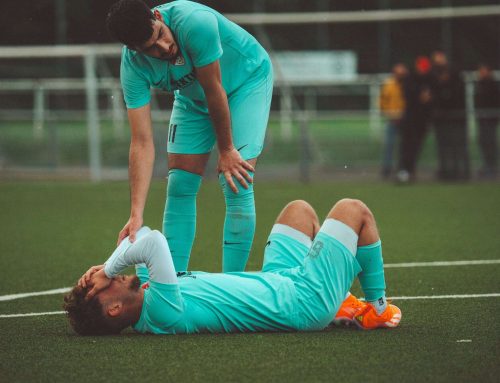
If your calf pain began after a workout, sprint, change of direction, jump or other specific movement, a muscular injury may be responsible. A calf strain can happen when the muscle is forced to contract while it is being lengthened. This is common during sprinting and other explosive movements. Usually, a person recalls a specific moment when it happened, such as feeling a sudden sharp pain while sprinting, feeling as though you were kicked in the calf, or experiencing a “pop” and suddenly being unable to continue playing. Often this is followed by tenderness and swelling in the area. This pattern is very different from calf pain that develops without an obvious injury.
Calf pain that consistently appears when walking is a different conversation. For example, if you can walk a certain distance before developing calf aching or cramping, and the pain reliably improves when you stop and rest, it may sometimes indicate a circulation problem such as peripheral artery disease (PAD). This does not mean that calf pain while walking automatically indicates a vascular problem. Muscular problems can also hurt with walking, particularly after an injury. The important thing is the pattern.
If your calf hurts because you strained it, you may notice pain with movement, stretching, pushing off or contracting the muscle. If the pain consistently appears after a predictable amount of walking and improves with rest, however, it is worth discussing with a medical professional, especially if there was no moment of injury.
This is one of the reasons a proper assessment is more useful than treating the location of the pain. Two people can both say, “My calf hurts when I walk,” but the underlying causes may be completely different. The timing, location, intensity, associated symptoms and response to activity all provide important information.
Conditions That Can Mimic a Calf Strain
Diagnosis is the key. The following are a few examples of conditions that can mimic a muscular calf strain. Keep in mind these are less common than ordinary muscular calf pain, but they are important reasons why a proper assessment matters.
- Deep Vein Thrombosis (DVT): A blood clot in a deep vein can cause calf pain, swelling, warmth and redness. A suspected DVT requires medical assessment.
- Peripheral Artery Disease (PAD): Reduced blood flow to the legs can cause aching or cramping in the calf during activity. The discomfort often improves with rest.
- Varicose Veins: Enlarged veins can cause aching, heaviness or discomfort in the lower leg, particularly after standing for long periods.
- Nerve Irritation: Irritation of a nerve originating from the lower back can sometimes cause pain, tingling, numbness or other symptoms that travel down the leg and into the calf. This can occur with conditions such as sciatica.
- Compartment Syndrome: Increased pressure within one of the compartments of the lower leg can cause significant pain and other symptoms. Acute compartment syndrome is a medical emergency.
- Infection: An infection such as cellulitis can cause pain, redness, warmth and swelling, and requires medical assessment.
What Does the Location of Your Calf Pain Tell You?
The location of your calf pain can also provide useful clues.
Pain toward the upper portion of the calf may involve the gastrocnemius muscle. The gastrocnemius is the large, superficial calf muscle that crosses both the knee and ankle. It plays an important role in running, jumping and pushing off. A sudden increase in speed, sprinting, jumping or changing direction can place a large amount of stress on this muscle. A calf strain in this area may cause pain when walking quickly, running, going up stairs, stretching the calf, performing a heel raise or pushing off the ground. Pain felt higher still, right behind the knee, may involve a different muscle altogether.
Pain through the middle of the calf is often associated with the calf muscles themselves, particularly if it developed following an increase in activity or a specific athletic movement. A mild strain may cause localized tenderness and discomfort, while a more significant injury can result in bruising, swelling and difficulty walking.
Not every calf strain requires imaging or extensive treatment, but a significant loss of strength or function is a reason to have it properly assessed. If your pain is closer to the back of the ankle or heel, the Achilles tendon may be involved rather than the calf muscle itself.
Achilles tendinopathy often develops gradually rather than from one specific incident. People may notice pain or stiffness when first getting out of bed, pain when running or jumping, tenderness along the Achilles tendon, pain during heel raises, or symptoms that become worse as activity increases. Achilles problems and calf strains can feel similar, but they are not the same injury and may require different rehabilitation strategies.
What Is Tennis Leg?

Tennis leg is an informal term for a tear or strain of the medial head of the gastrocnemius. Medial means the inside of the leg.
With this injury, the person feels an immediate onset of pain after a rapid movement, often pushing off, lunging or changing direction. Many people describe the sensation as being struck or kicked in the back of the leg, and some hear or feel a pop. Typically, there will be bruising and swelling on the inside of the leg below the knee over the days following the injury.
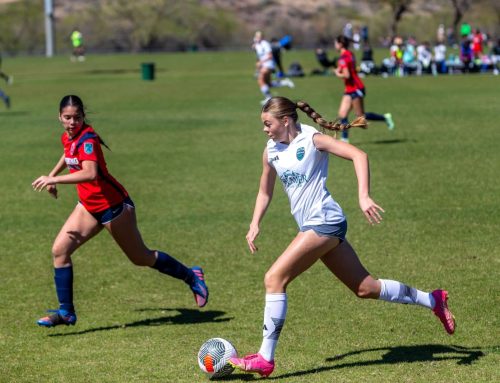
Despite the name, tennis leg is not limited to tennis players. It is common in racquet sports, but it also happens in soccer, basketball, hill running and everyday activities that involve a sudden push off. It tends to be seen more often in middle-aged recreational athletes than in younger ones.
Tennis leg is a calf strain rather than an Achilles rupture, though the two can feel similar in the first moments after the injury. Because the symptoms overlap with both Achilles injuries and, in some cases, a DVT, sudden calf pain of this kind is worth having assessed rather than assuming it will settle on its own. Recovery time varies with the severity of the tear and how the calf is loaded during rehabilitation.
Calf Cramp vs. Calf Strain: What’s the Difference?
A calf cramp and a calf strain are often confused, but they are different problems.
A calf cramp is a sudden, involuntary contraction of the muscle. It can be extremely painful and may cause the calf to feel hard or knotted. The pain often develops suddenly and may settle relatively quickly once the muscle relaxes. Cramps can occur during exercise, after exercise or even at rest. Fatigue, training load, hydration and other individual factors can contribute to cramping.
A calf strain involves injury to muscle tissue. It can happen suddenly, particularly during sprinting, jumping or another explosive movement. A more significant strain may cause sharp or tearing pain, a sensation of being kicked in the calf, swelling, bruising, pain with walking, reduced calf strength and difficulty performing a heel raise. A person who experiences a sudden pop followed by significant pain should have the injury assessed rather than assuming it is a cramp.
Why Do Calf Strains Keep Coming Back?
One of the most common frustrations we hear from active patients is “I keep getting the same calf injury.” It is tempting to assume that the problem is a tight calf. Sometimes the calf is tight, but tightness isn’t necessarily the reason the injury keeps returning.
A more important question is whether your calf has enough load tolerance for the activity you’re asking it to perform. Your calf muscles work hard every time you walk, run, jump, accelerate or change direction. If you suddenly increase your training volume or intensity, the demands on the calf can increase faster than the tissue’s ability to tolerate that load. Returning to soccer after the off-season, increasing running mileage, adding hill running, starting sprint training, increasing gym workouts, returning to sport after an injury and playing multiple games in a short period all increase the demands placed on the calf. This is why stretching the calf may not solve a recurring problem.
Successful rehabilitation often involves gradually increasing the amount of work the calf can handle. The goal is not to make the muscle feel less tight. The goal is to make the calf strong and resilient enough to handle the activity you want to return to. That may involve progressively loading the calf through strengthening exercises, then gradually reintroducing running, jumping, sprinting and sport-specific movements.
Where Do Heel Raises Fit Into Calf Rehabilitation?
One of the simplest and most useful exercises for calf strength is the heel raise. A basic heel raise involves standing with your feet on the ground and raising your heels before slowly lowering them.
As your strength improves, the exercise can be progressed by increasing repetitions, performing the exercise on one leg, increasing the range of motion, adding resistance, increasing the speed of the movement, progressing to jumping and hopping, and eventually incorporating running and sport-specific movements.
The important point is that the exercise needs to match the stage of rehabilitation. Someone with an acute calf strain should not necessarily jump straight into heavy single-leg heel raises. Likewise, someone who has recovered from a calf injury but is returning to competitive soccer may need considerably more than basic calf strengthening. Eventually, the calf needs to tolerate the high-speed and high-force demands of the activity.
How We Assess Calf Pain at Burlington Sports Therapy

At Burlington Sports Therapy, calf pain is a common reason patients seek physiotherapy, chiropractic care and rehabilitation. When we assess calf pain, we don’t focus only on the area that hurts. We want to understand why it started, what is aggravating it and why it hasn’t gone away.
Depending on your symptoms, we may assess the location of your pain, how and when the pain started, your walking and running mechanics, calf strength, single-leg heel raise capacity, ankle mobility, knee and hip function, your recent training or activity changes, previous calf or Achilles injuries, your ability to return to sport, and whether your symptoms suggest a condition that requires medical referral.
For a typical muscular calf injury, treatment may involve a combination of manual therapy, exercise, progressive strengthening, mobility work and a gradual return to activity. The exact treatment depends on the diagnosis and the stage of the injury.
Importantly, if your symptoms don’t look like a straightforward musculoskeletal problem, we will recommend that you see the appropriate medical professional. Conditions such as DVT, significant vascular disease or infection require medical assessment rather than treatment at a physiotherapy or chiropractic clinic.
Don’t Ignore a Calf Problem That Isn’t Getting Better
Most calf pain is not serious and can be successfully managed. But if your calf pain keeps returning, prevents you from running or playing sports, or hasn’t improved despite your attempts to treat it yourself, it is worth finding out why.
Sometimes the problem isn’t that the calf needs more stretching. It may need to become stronger. It may need to gradually tolerate more load. Your running or training volume may need to change. There may be an issue with the Achilles tendon. Or, in less common situations, the symptoms may be coming from something outside the muscles altogether. A proper assessment can help determine which of these situations applies to you.
Calf Pain Treatment in Burlington, Ontario
If you are dealing with calf pain in Burlington, the team at Burlington Sports Therapy can help determine whether your symptoms are consistent with a calf strain, Achilles problem, muscle overload or another musculoskeletal condition. We offer physiotherapy, chiropractic care and massage therapy, and regularly work with runners, soccer players, athletes and active adults dealing with calf and lower-leg injuries.
If your calf pain has been stubborn, keeps coming back, or is preventing you from doing the activities you enjoy, contact Burlington Sports Therapy to arrange an assessment. And remember: if you have sudden, unexplained calf swelling or pain, particularly if it is associated with shortness of breath, chest pain or difficulty breathing, seek urgent medical attention rather than attempting to treat the problem yourself.
Frequently Asked Questions About Calf Pain
How do you know if calf pain is serious?
Calf pain is more concerning when it comes on suddenly without a clear cause, or when it is associated with significant swelling, redness, unusual warmth, marked weakness or difficulty putting weight on the leg. Pain that progressively worsens without explanation, or that comes with loss of sensation, also warrants assessment. Calf pain accompanied by shortness of breath, chest pain or difficulty breathing requires emergency medical attention.
How can you tell the difference between a calf strain and a blood clot?
A calf strain usually has a clear moment of onset during a sprint, jump or change of direction, and hurts more when the muscle is stretched or contracted. A DVT can develop without any injury and may involve swelling, warmth and redness. Because the two can overlap, calf pain with unexplained swelling should be medically assessed rather than treated with massage or stretching.
Why does calf pain come back after it heals?
Recurring calf injuries are often a load tolerance problem rather than a flexibility problem. If training volume or intensity increases faster than the calf tissue can adapt, the demands exceed what the muscle can handle. Rehabilitation that progressively builds calf strength and gradually reintroduces running, jumping and sport-specific movement tends to address recurrence better than stretching alone.
Should you stretch a calf strain?
It depends on the injury and the stage of healing, which is why an assessment matters. Progressive loading is generally more useful than stretching for building the strength and resilience that prevent reinjury. Where a DVT or other vascular cause is suspected, stretching and massage are not appropriate and medical assessment is needed first.
As with all of our blog entries, this information is general information about calf pain and not specific advice for any individual. We encourage all our readers to seek the assistance of a professional for individualized healthcare advice.
Disclaimer https://burlingtonsportstherapy.com/blog/disclaimer/