Osgood-Schlatter and Sever’s Disease: Why Growing Athletes Hurt
By: Dr. Kevin McIntyre B.Kin., DC
If your 12-year-old has started complaining of pain below their kneecap, soreness in their heels after soccer, or difficulty running at practice, they’re in good company. Growth-related sports injuries are common in active children and adolescents. They often appear during a growth spurt, right as a new sports season gets underway, and can leave parents wondering whether their child should keep playing, take a few weeks off, or get the pain examined.
Two of the most common causes are Osgood-Schlatter disease, which causes pain below the kneecap, and Sever’s disease, which causes pain at the back of the heel. Both involve irritation of a developing area of bone where tendons attach, and both are especially common in children who run, jump, sprint and change direction regularly. Many children do well with sensible changes to their activity, progressive strengthening and a gradual return to sport plan, and in many cases stopping sport altogether is not necessary. We understand how important sport is to growing athletes and their families. The goal is not to make the pain disappear for a few days. It’s to help young athletes stay active, build strength, manage their training loads and get back to playing comfortably and confidently.
What Is Growth Plate Pain in Children?
Children’s bones are different from adult bones. While a child is growing, certain areas of the skeleton contain specialized cartilage called growth plates. These areas allow bones to lengthen and develop as a child gets taller. Growth plates are not all located in the same places. Some are near the ends of long bones, while others, known as apophyses, are located where major muscles and tendons attach to bone.
These attachment sites are particularly important in young athletes because they experience repeated pulling forces during running, jumping, sprinting, kicking and other sporting movements. During periods of rapid growth, these areas can become more sensitive to repeated loading. Rather than a single traumatic injury, growth-related pain usually develops gradually. A child may feel fine at the beginning of a soccer season, start noticing soreness after training, and eventually find that the same activity causes pain during practice or the following morning. This is often described as a traction-related overuse injury: the tendon repeatedly pulls on a developing area of bone and irritates the attachment site.
Osgood-Schlatter disease is an irritation at the growth-related attachment of the patellar tendon to the shinbone, causing pain below the kneecap. Sever’s disease is an irritation at the developing heel bone, where the Achilles tendon and surrounding structures place repeated stress on the heel. These conditions are not the same as ordinary muscle soreness after a hard workout. They involve a specific, sensitive area of a growing skeleton and may require changes to a child’s training routine.
The term “disease” can sound alarming, but Osgood-Schlatter and Sever’s are common musculoskeletal conditions in growing children and are not infections or progressive diseases. In fact, it’s probably better practice to stop using the term “disease” when we refer to these conditions!
Osgood-Schlatter: Knee Pain Below the Kneecap
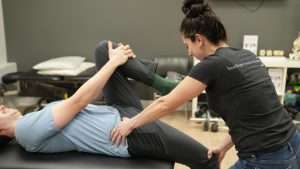
Osgood-Schlatter disease is one of the most common causes of pain at the front of the knee in growing athletes. It typically affects active children and adolescents during their growth years, particularly those in sports that involve repeated running, jumping, kicking or rapid changes of direction.
The pain is usually located at the bony bump on the upper shin, immediately below the kneecap. This bump is called the tibial tubercle, or tibial tuberosity. The patellar tendon connects the kneecap to this area of the shinbone. When the quadriceps muscles at the front of the thigh contract, they pull through the patellar tendon to straighten the knee. During sprinting, jumping, landing and kicking, this creates repeated tension where the tendon attaches to the developing bone. In a growing athlete, that attachment can become irritated.
Common signs of Osgood-Schlatter disease include:
- Pain directly below the kneecap, rather than deep inside the knee
- Tenderness when pressing on the bony bump at the top of the shin
- Pain with sprinting, jumping, kicking, squatting, lunging or climbing stairs
- Discomfort when kneeling or with direct contact on the front of the knee
- A small bump below the kneecap that is sometimes visibly enlarged or swollen
- Pain that increases during or after sport and eases with less activity
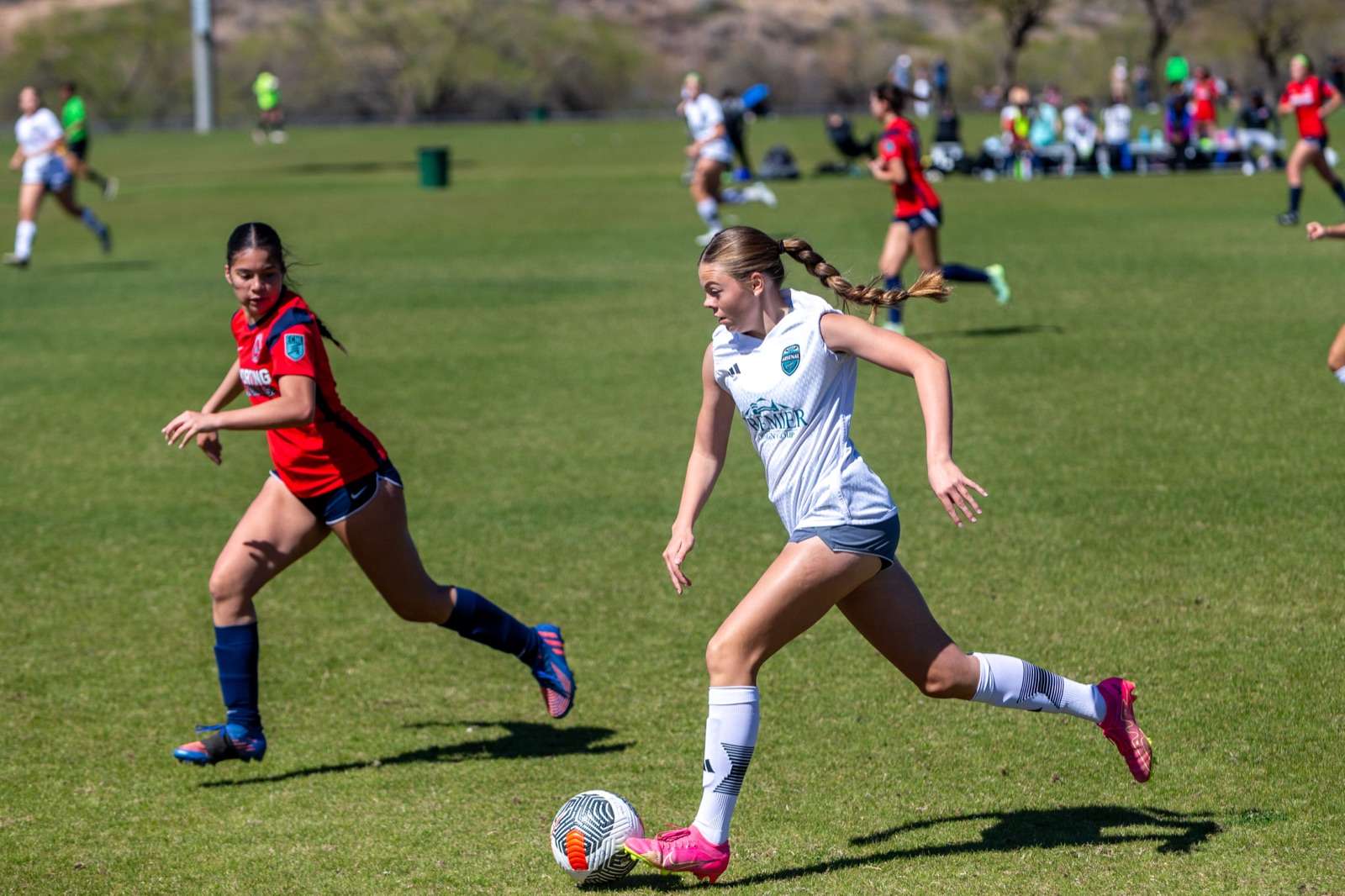
Osgood-Schlatter can affect one knee or both, and one side may be more painful than the other. A common scenario is a 12-year-old soccer player who feels fine walking around school but starts having pain during repeated sprints, shooting drills or the second half of a match. Another is a basketball player who can get through warm-ups but develops increasing pain with repeated jumping and landing.
The location of the pain is an important clue. Pain directly over the tibial tubercle is more suggestive of Osgood-Schlatter than pain around or behind the kneecap, which may have a different cause.
Why Does Osgood-Schlatter Happen During Growth Spurts?
The tibial tubercle is still developing during childhood and adolescence. The area where the patellar tendon attaches contains developing bone and cartilage that has not yet matured into the stronger structure found in adults.
When a child goes through a rapid growth spurt, the relationship between bone length, muscle flexibility, tendon loading and sporting demands can temporarily change. The quadriceps and surrounding tissues may feel tighter, while the developing attachment site is repeatedly exposed to the forces generated during sport. This doesn’t mean the child is growing incorrectly or that their knees are weak. It means their growing body is adapting to physical demands that may have increased faster than their capacity to tolerate them.
Osgood-Schlatter is particularly common in running and jumping sports such as soccer, basketball, volleyball, track and field, gymnastics and football. However, it can also occur in less competitive children who have a rapid increase in physical activity.
Sever’s Disease: Heel Pain in Growing Athletes
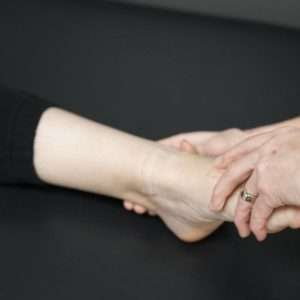
Sever’s disease, also called calcaneal apophysitis, is a common cause of heel pain in active children. It typically affects children between approximately 8 and 15 years of age, with many cases occurring around the early adolescent growth years. Like Osgood-Schlatter, it involves irritation at a developing area of bone where tendons and other tissues transmit repeated forces.
The affected area is the calcaneal apophysis, a growth-related region at the back of the heel bone. The Achilles tendon attaches to the heel, and repeated running, jumping and landing place significant forces through this area. When those forces exceed what the developing heel can comfortably tolerate, pain can develop.
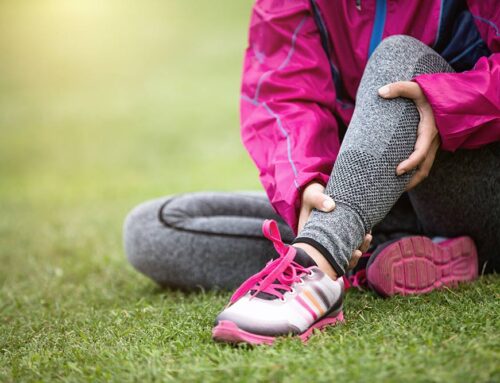
Children commonly describe Sever’s disease as a bruise-like pain at the back or sides of the heel. Parents may notice that their child:
- Complains of heel pain after soccer, basketball, running or other impact sports
- Starts limping after a practice or game
- Finds running in cleats particularly uncomfortable
- Has pain when jumping, sprinting or landing
- Has tenderness when the back or sides of the heel are squeezed
- Feels better after rest, but the pain returns when activity resumes
The pain is usually related to activity. It may be absent during quiet activities or low-impact exercise, only to return when the child starts running again. Unlike a typical ankle sprain, there may be no specific incident when the pain began. It often develops gradually over several days or weeks. Heel pain can also become more noticeable when a child starts wearing a new pair of cleats, begins training on a harder surface or suddenly increases their running volume. Footwear can influence symptoms too: shoes with limited cushioning or a low heel-to-ground profile may aggravate discomfort in some children.
Why Does Sever’s Disease Happen?
During childhood, the back of the heel contains a developing growth-related attachment site that gradually matures and fuses with the rest of the heel bone. The Achilles tendon transmits force from the calf muscles to the heel during running, sprinting and jumping.
During a growth spurt, changes in leg length and calf flexibility can increase tension through this region. At the same time, the demands of a sports season may increase the number of sprints, jumps and training sessions a child completes each week. The result can be repeated irritation of the developing heel.
Sever’s disease is especially common in soccer, basketball, volleyball, track, gymnastics and other sports involving repeated impact. It’s also worth noting that heel pain in a growing child is not automatically Sever’s disease. A proper assessment is important when symptoms are severe, persistent, unusual or associated with other warning signs.
Why Growth Plate Pain Often Appears During a Growth Spurt
One of the most common things parents tell us is, “My child was perfectly fine a month ago, why are they suddenly hurting everywhere?” The answer is often a combination of growth, changing physical demands and the timing of the sports season.
Bones Can Grow Faster Than Muscles and Tendons Adapt
During a growth spurt, a child’s bones may lengthen relatively quickly, and muscles and tendons have to catch up. During this period, a child may temporarily have reduced flexibility or increased tension around certain joints. This is particularly relevant to the quadriceps and patellar tendon around the knee, and the calf muscles and Achilles tendon around the heel. A child who previously tolerated a particular sprinting or jumping workload may find that the same workload becomes uncomfortable during a period of rapid growth.
The Developing Attachment Sites Are More Sensitive to Repeated Stress
Growth-related attachment sites are not yet fully mature. The tendon attaches to a region of developing bone that can be more vulnerable to repeated pulling than the mature attachment in an adult. When the child repeatedly sprints, jumps, lands or kicks, the same forces are transmitted through these developing structures. If recovery and adaptation don’t keep pace with the loading, symptoms can develop.
This is why a child can be physically fit, technically skilled and otherwise healthy but still develop growth-related pain. It is not necessarily a reflection of poor fitness or a lack of athletic ability.
The Sports Season Adds Another Layer
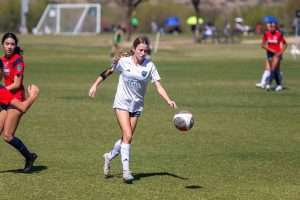
For many families in Burlington and Halton, the transition between sports seasons can be a particularly challenging time. Consider a typical 12-year-old soccer player. During the summer, they may have been playing recreational soccer once or twice a week. Then September arrives, and they’re taking part in competitive team training, weekend games, school sports, physical education classes and possibly extra private training. The total workload can climb a lot, even if each individual activity seems reasonable. A child may now be completing:
- Two or three team practices per week
- One or two matches on weekends
- Additional technical or private training
- School physical education and recess
- Independent running, gym work or other sports
The important point is that the body experiences the combined workload, not only the schedule of the primary team. A coach may see two practices and one game per week. The child’s knees and heels experience every sprint, jump, landing and change of direction across all of their activities. When a growth spurt coincides with a sudden increase in training volume, the risk of developing symptoms can increase.
Why September and the Start of a New Season Can Be Difficult
The start of a new sports season often means more structured training, greater intensity and less flexibility in the weekly schedule. Children may also return from a summer break with a different level of conditioning, even if they have stayed generally active. At the same time, they may be growing rapidly. This creates a mismatch between what the athlete is being asked to do and what their developing tissues are currently prepared to tolerate. The same pattern can occur in the spring when outdoor soccer resumes, during a move from recreational to competitive sport, or when a child joins an additional team.
The key takeaway for parents is that growth spurts do not automatically cause injuries, and sport is not bad for growing children. Problems are more likely when rapid physical changes coincide with a sudden increase in repetitive loading and not enough recovery.
What Helps Osgood-Schlatter and Sever’s Disease?
For a long time, the standard advice was to rest until the pain went away. In my experience, complete rest is rarely necessary, and it can leave a young athlete weaker and more frustrated when they return. I like to think of managing these conditions as turning down a volume knob rather than flipping a light switch off. The aim is to find the amount of activity the knee or heel can currently tolerate, then build from there. Every child is different, so the details depend on the assessment, but the general approach tends to look like this.
Adjust the Load, Not Necessarily the Sport
The first step is usually to look at the whole week, not only the main team schedule. Often the easiest changes are trimming the extras: an additional training session, a second team, extra sprint or jump work, or back-to-back tournament days. Some children do well by temporarily playing a position with less sprinting, or sitting out part of practice while still attending.
A useful guide is how the pain behaves. Mild discomfort during activity that settles by the next morning is generally tolerable. Pain that lingers into the next day, causes a limp or keeps getting worse from week to week is a sign that the load is too high for now. In a 2020 study of adolescents with Osgood-Schlatter, a program built on this type of pain monitoring, along with activity modification, knee and hip strengthening and a gradual return to sport, was associated with improvements in pain, strength and jumping performance (Rathleff et al., 2020).
Build Strength
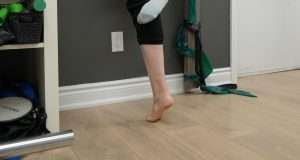
As regular readers know, I believe you can’t go wrong with strong. For Osgood-Schlatter, that usually means progressively strengthening the quadriceps, hips and calves, starting with exercises that don’t aggravate the front of the knee. For Sever’s disease, calf strengthening such as heel raises is often part of the plan once symptoms allow. Parents are sometimes surprised to hear this, but strength training for kids is safe and useful when it’s supervised and progressed sensibly. Stronger muscles are better able to absorb the forces of running and jumping, which may reduce the strain on the developing attachment sites.
Footwear, Heel Lifts and Short-Term Comfort
For heel pain, supportive and well-cushioned footwear can make a difference, and it helps to avoid long periods barefoot or in flat, worn-out cleats during a flare-up. A simple heel lift in the shoe may ease symptoms in the short term for some children with Sever’s disease (James et al., 2016). For Osgood-Schlatter, a knee pad can make kneeling more comfortable. Ice after activity can help with soreness. None of these fix the underlying problem on their own, but they can make it easier to stay active while the strength work does its job.
A Gradual Return to Full Sport
Once pain has settled and strength has improved, sport can be built back up in steps: more training time first, then more sprinting and jumping, then full games. Adding one thing at a time makes it easier to tell what the knee or heel can handle. A setback along the way is common and usually means stepping back a level for a while, not starting over.
When Should Your Child’s Pain Be Checked?
Osgood-Schlatter and Sever’s follow a fairly predictable pattern: pain at a specific spot that comes with activity and eases with rest. Pain that doesn’t fit that pattern deserves a closer look. It’s worth booking an assessment if your child has:
- Pain at night or at rest, or pain that wakes them up
- Pain that started with a specific fall, twist or collision
- Significant swelling, redness or warmth, or a fever
- A limp that doesn’t settle, or difficulty putting weight on the leg
- Pain that keeps getting worse despite reducing activity
- Pain that is more in the thigh, groin or hip than at the knee itself
That last point matters. In this age group, knee pain can sometimes come from the hip, which is one reason an assessment should look beyond the sore spot. Some of these signs call for a medical assessment through your family doctor rather than treatment at our clinic, and we’ll refer if something doesn’t add up. If you’re not sure who to see after a sports injury, start with whoever can see your child soonest and ask for a proper examination.
Frequently Asked Questions About Growth Plate Pain in Kids
Does Osgood-Schlatter Go Away?
In most cases, Osgood-Schlatter settles as a child finishes growing and the growth area below the kneecap matures and fuses with the rest of the shinbone. The bump below the kneecap often remains, and some people find kneeling uncomfortable into adulthood, but the activity-related pain usually eases once growth is complete.
What Else Can Cause Heel Pain in a Child?
Sever’s disease is a common cause of heel pain in active children, but it is not the only one. Other possibilities include Achilles tendon irritation, pain on the bottom of the heel, a stress reaction in the heel bone, or a bruise from a hard landing. Less commonly, infection or other bone conditions can be responsible.
Does My Child Need an X-Ray for Osgood-Schlatter or Sever’s Disease?
Often not. Both conditions are usually identified from the history and a physical examination. Imaging tends to be reserved for cases that don’t fit the typical pattern.
What Is Sinding-Larsen-Johansson Syndrome?
Sinding-Larsen-Johansson syndrome is a similar growth-related irritation, but at the bottom tip of the kneecap, where the patellar tendon starts, rather than at the bump on the shin where it attaches. It tends to affect active children around the same age and is managed on similar principles: adjusting the load, building strength and returning to sport gradually.
Can Adults Get Osgood-Schlatter Disease?
Osgood-Schlatter develops during growth, so it does not start in adulthood. However, some adults who had it as children still have a prominent bump below the kneecap, and occasionally a small loose piece of bone in the tendon, which can be sore with kneeling. Pain in this area in an adult is worth having assessed, since it may have a different cause.
Helping Young Athletes Keep Playing
Growth plate pain can be frustrating for kids and worrying for parents, but it doesn’t have to mean quitting sport. Every case is unique, and there’s no silver bullet, but a sensible plan that adjusts the load, builds strength and brings sport back gradually tends to keep kids playing. If your child is dealing with knee or heel pain this season, our physiotherapists and chiropractors are happy to take a look. You can get in touch with our Burlington clinic to book an assessment.
References
Rathleff MS, Winiarski L, Krommes K, et al. Activity modification and knee strengthening for Osgood-Schlatter disease: a prospective cohort study. Orthopaedic Journal of Sports Medicine 2020; 8(4): 2325967120911106.
James AM, Williams CM, Haines TP. Effectiveness of footwear and foot orthoses for calcaneal apophysitis: a 12-month factorial randomised trial. British Journal of Sports Medicine 2016; 50(20): 1268-1275.
As with all of our blog entries, this information is general information about growth plate pain in children and not specific advice for any individual. We encourage all our readers to seek the assistance of a professional for individualized healthcare advice.
Disclaimer https://burlingtonsportstherapy.com/blog/disclaimer/